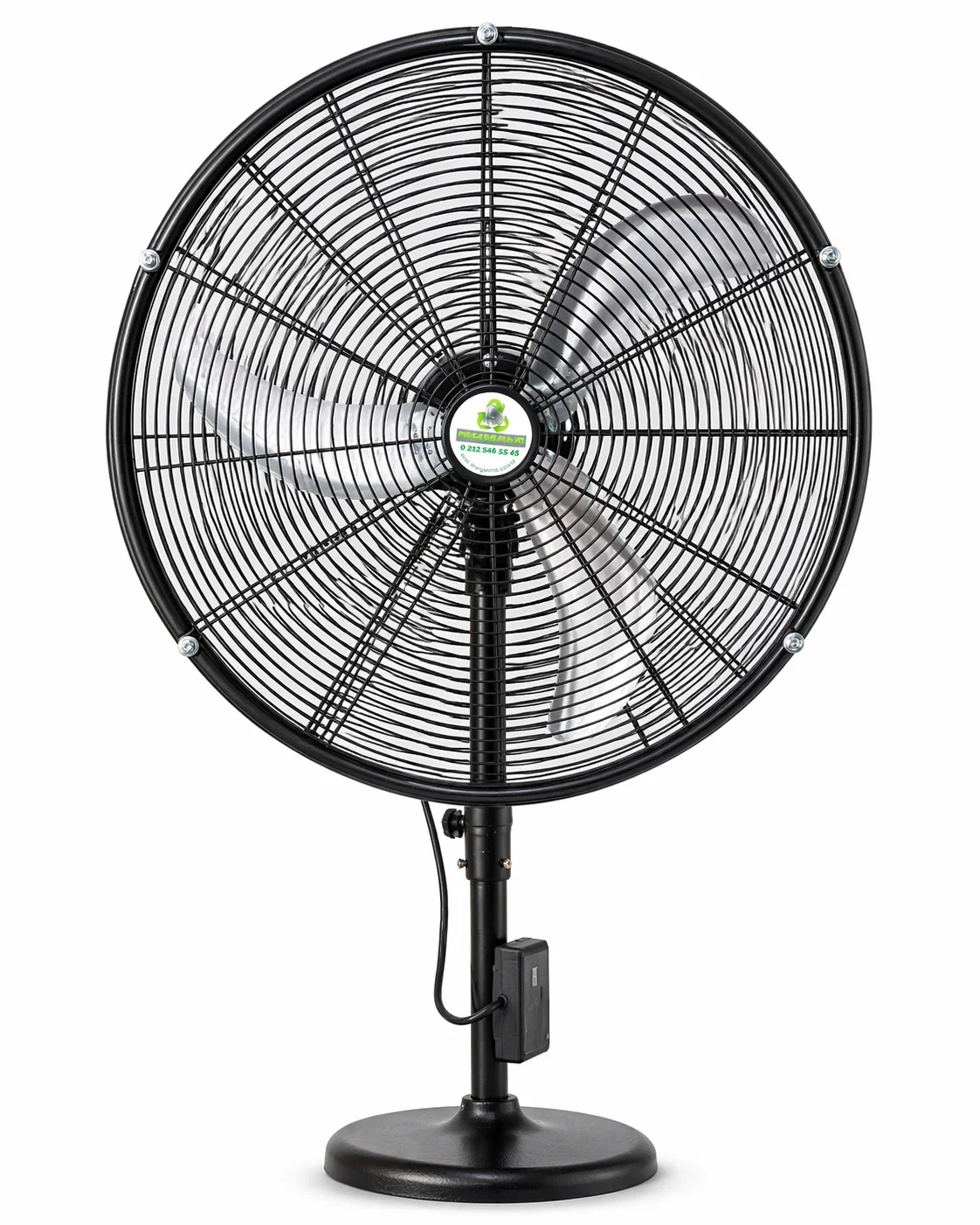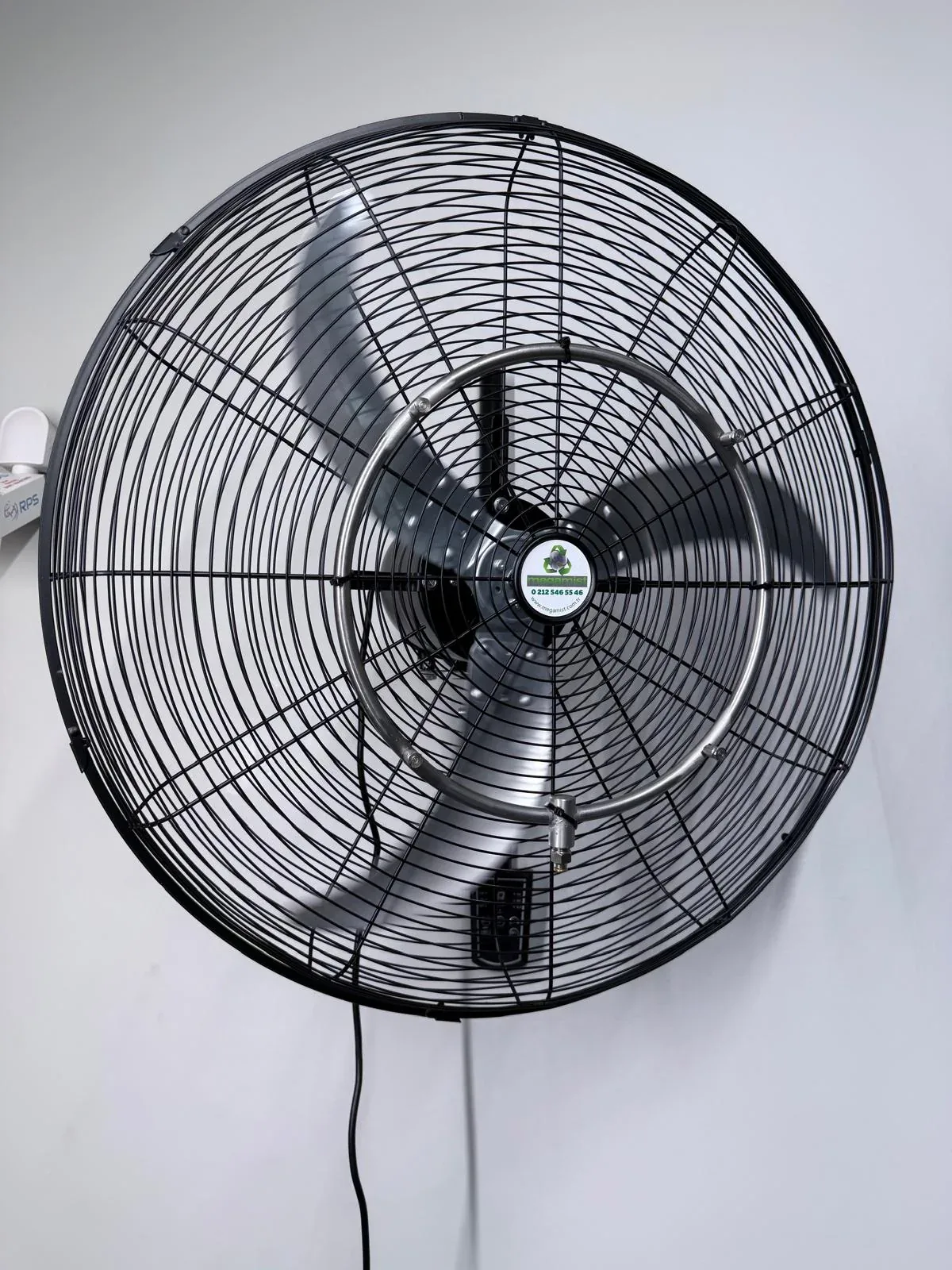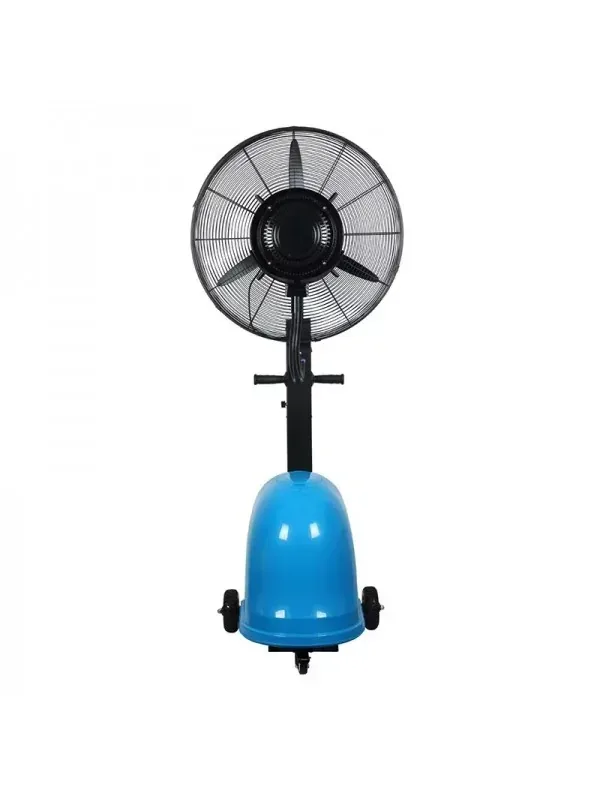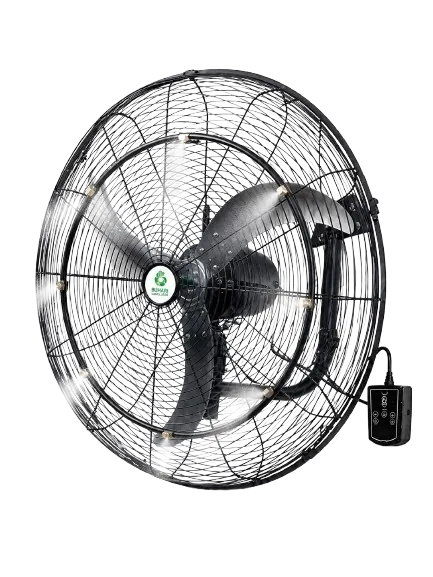
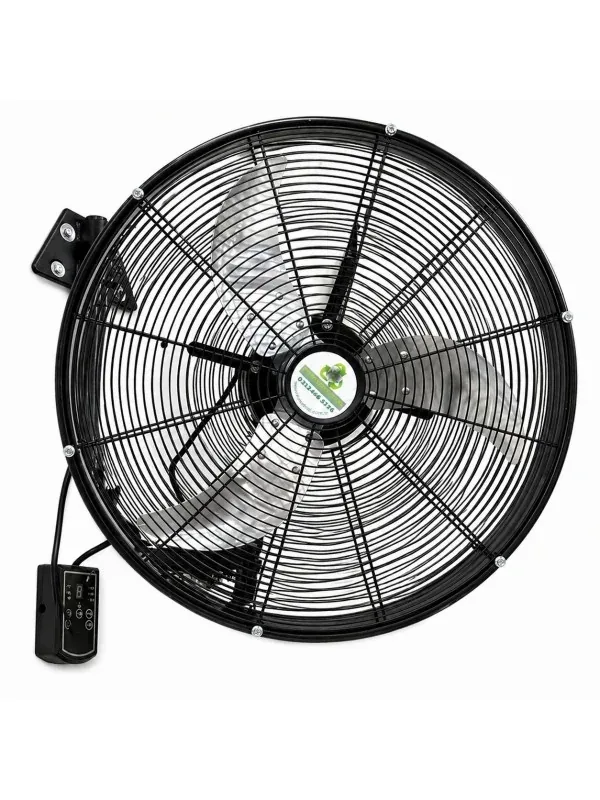
What is an Industrial-Type Fan?
An Industrial-Type Fan provides air circulation without using water by itself. If mist cooling is required, a separate pump and nozzle system must be selected and installed.
An industrial-type fan creates strong air circulation in factories, warehouses and workshops to help reduce heat pressure and stagnant air. Motor power, airflow, housing durability, operating hours and placement points are evaluated together for a reliable facility solution.
The operating principle, suitable applications, pricing factors, installation requirements and performance criteria are answered clearly below.
An Industrial-Type Fan provides air circulation without using water by itself. If mist cooling is required, a separate pump and nozzle system must be selected and installed.
It can be used in cafes, restaurants, gardens, terraces, hotels, event areas, workshops, warehouses, factories and semi-open commercial spaces.
The fan alone does not spray water or wet surfaces. If a separate misting system is added, pressure, nozzle selection and placement distance require their own assessment.
Fan pricing depends on airflow capacity, motor, unit count, electrical supply and installation. Pump, nozzles, water line and filtration are priced only if a separate misting system is included.
The fan circulates air; it does not promise evaporative cooling or a specific temperature reduction by itself. Any added misting performance depends on site conditions and separate system design.
Electrical supply, fan location, ambient conditions and unit count require planning. Water supply is evaluated only when a separate misting system is selected.
Share area size, photos, usage density and available infrastructure details; we can recommend applicable model, quantity and placement options for your project.
Review the airflow, mist distribution and working context of Industrial-Type Fan. Use the video together with the technical and site information on this page.
Kafe, restoran, fabrika ve açık alanlarda kullanılan buharlı vantilatör ve sisleme çözümlerinin doğal uygulama görüntülerini büyüterek inceleyin.
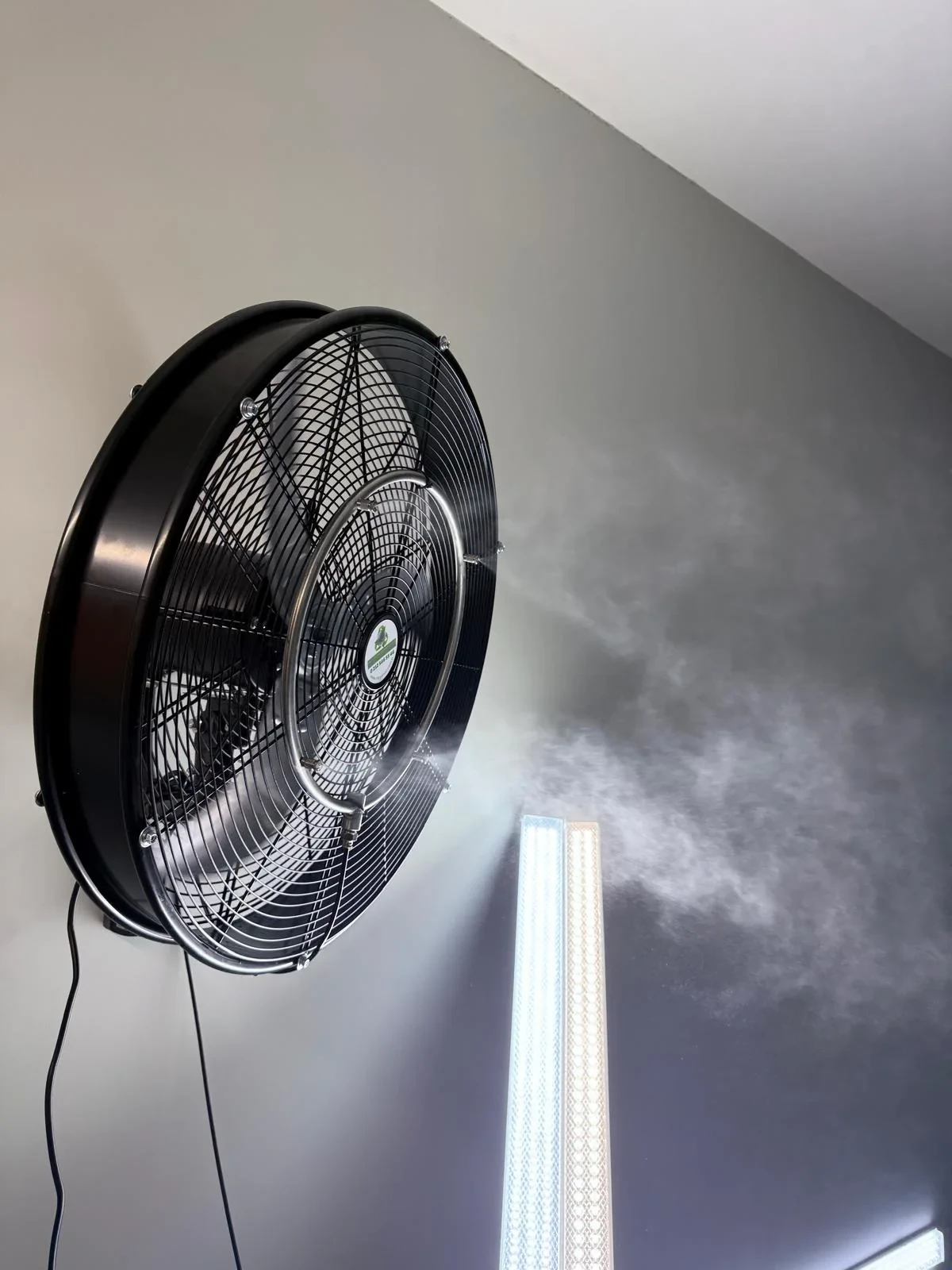
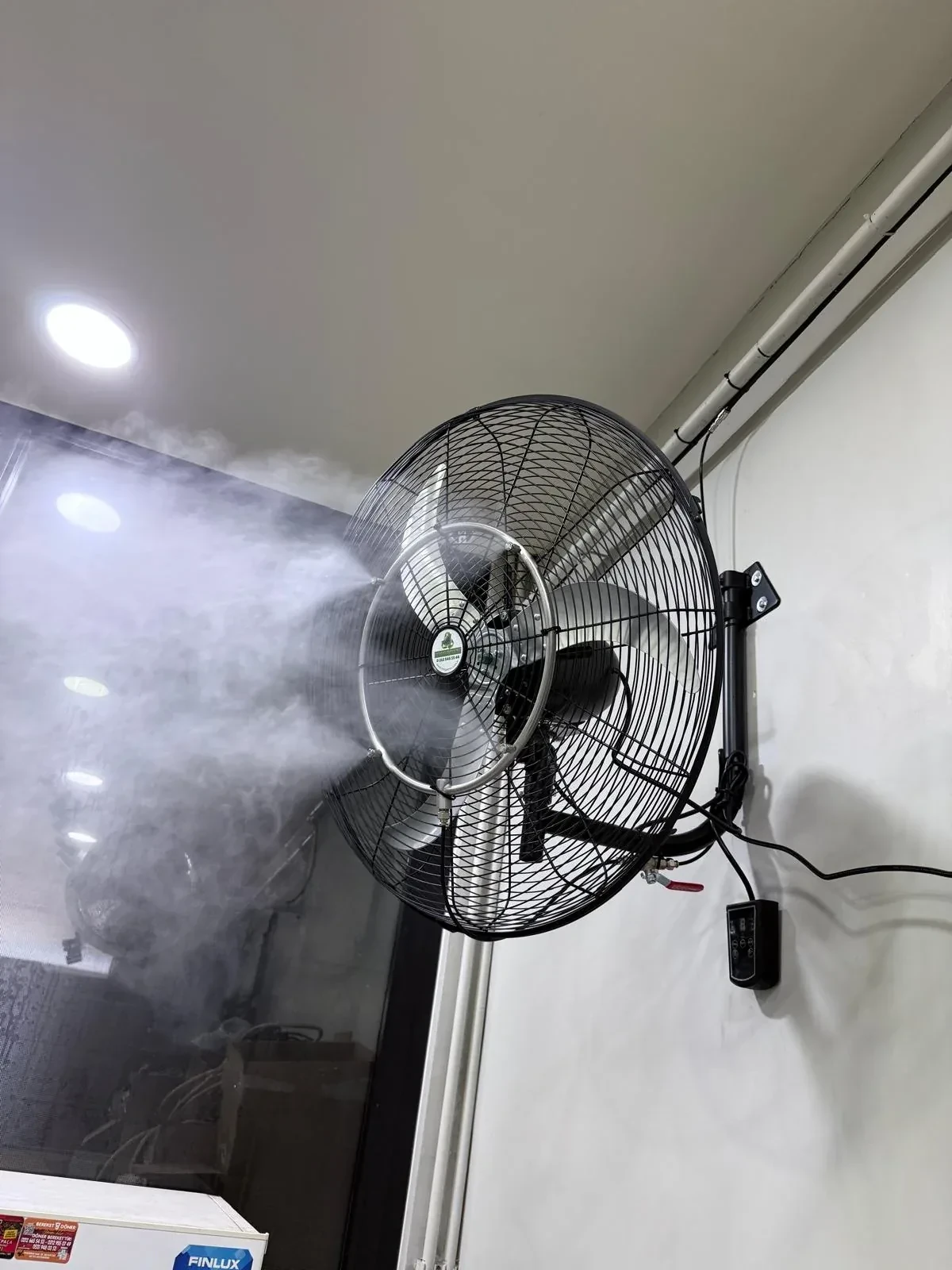
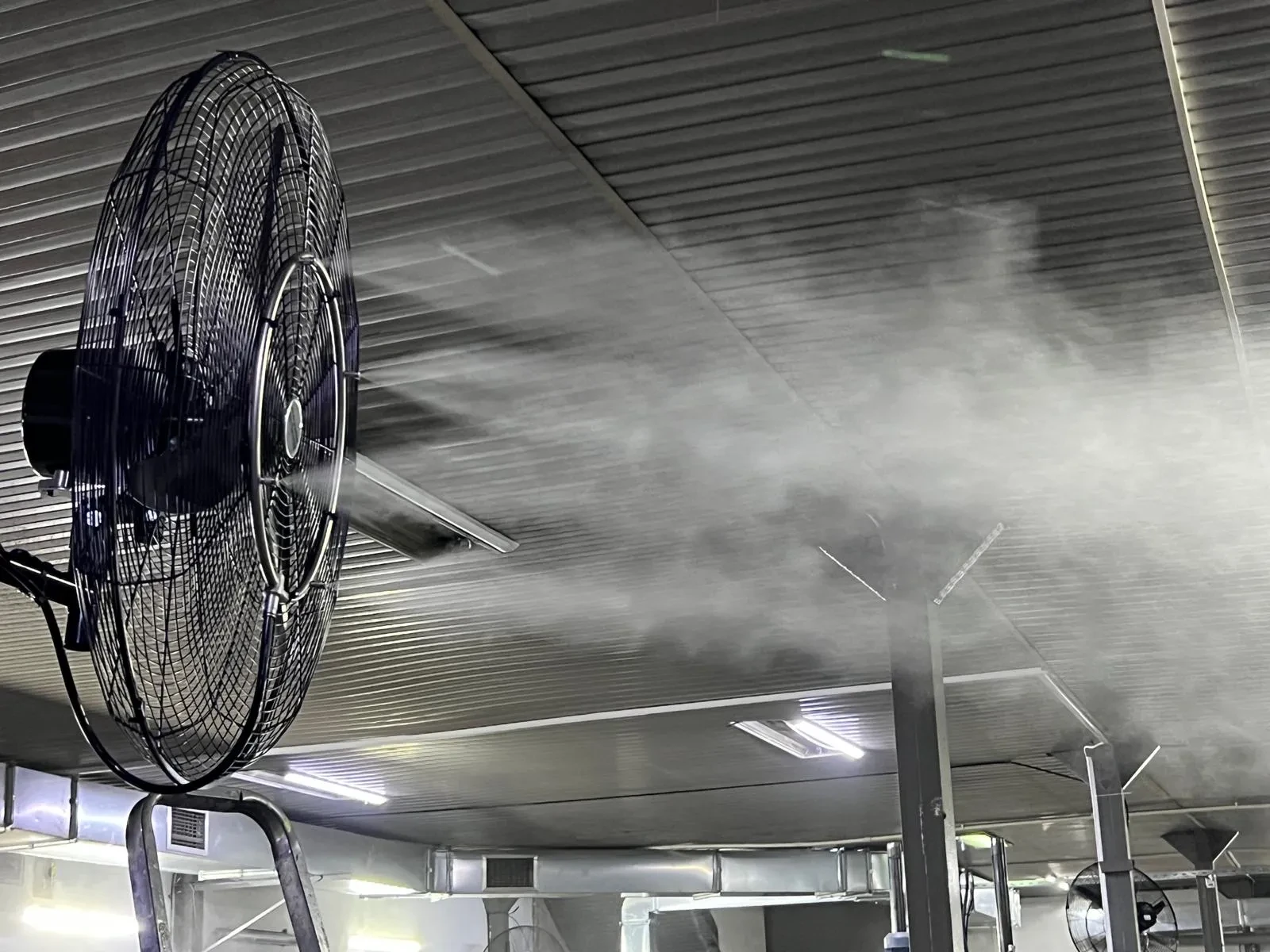
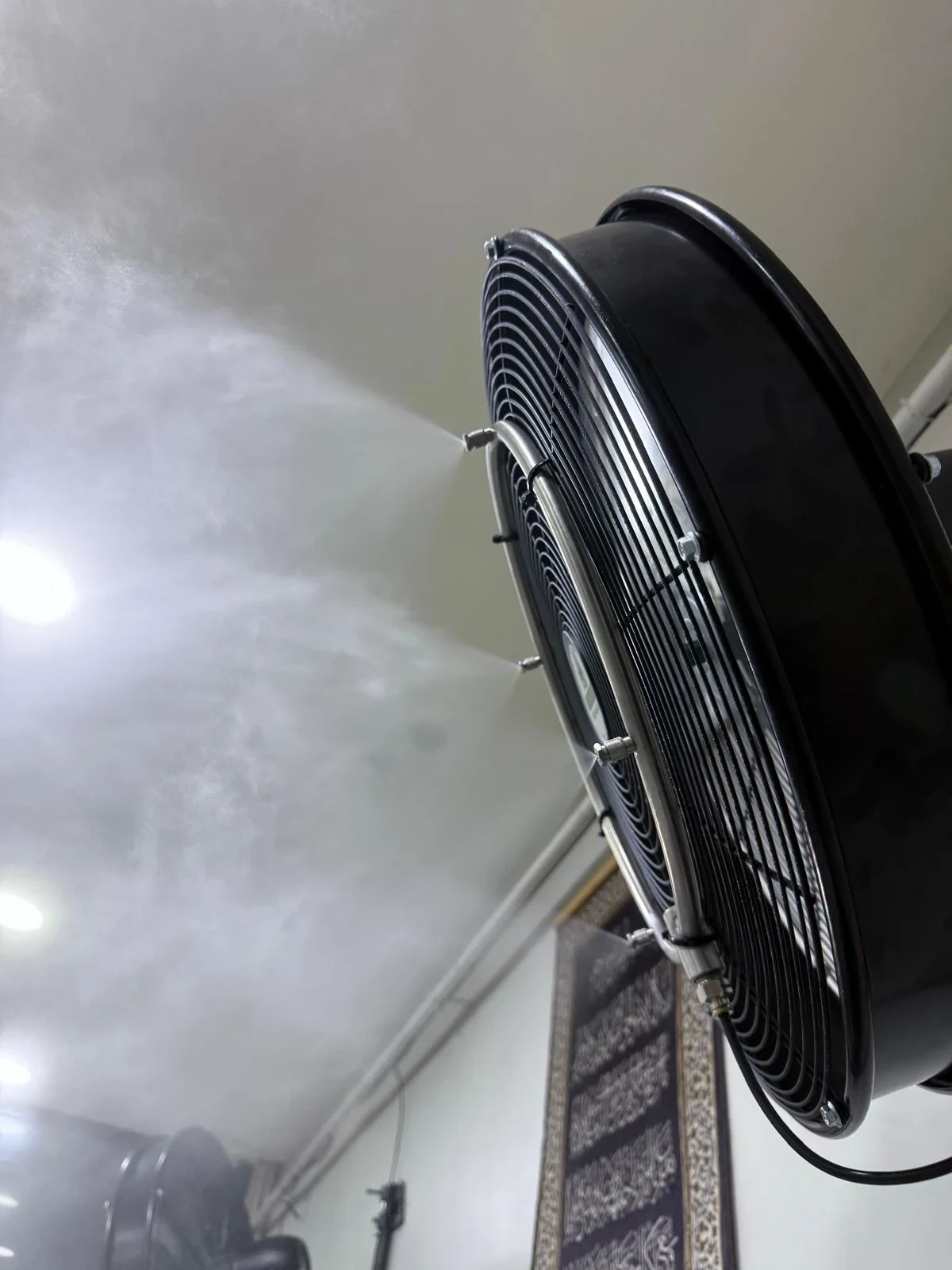
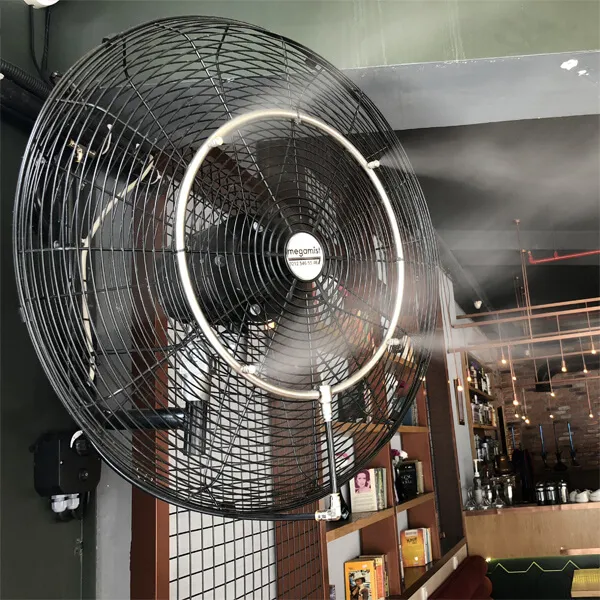
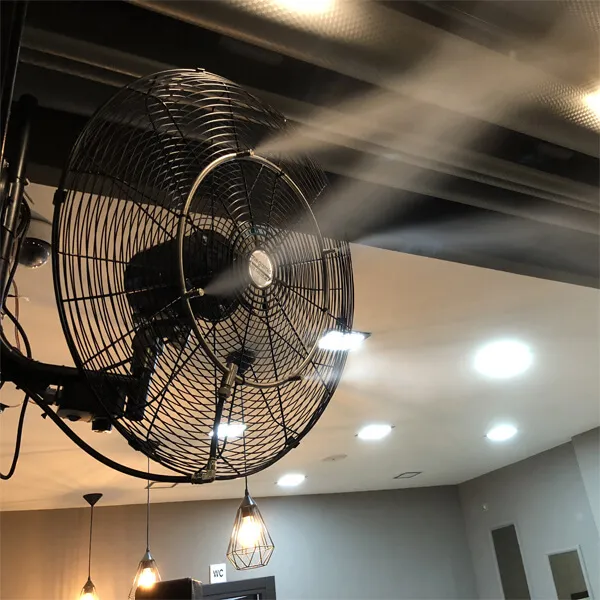
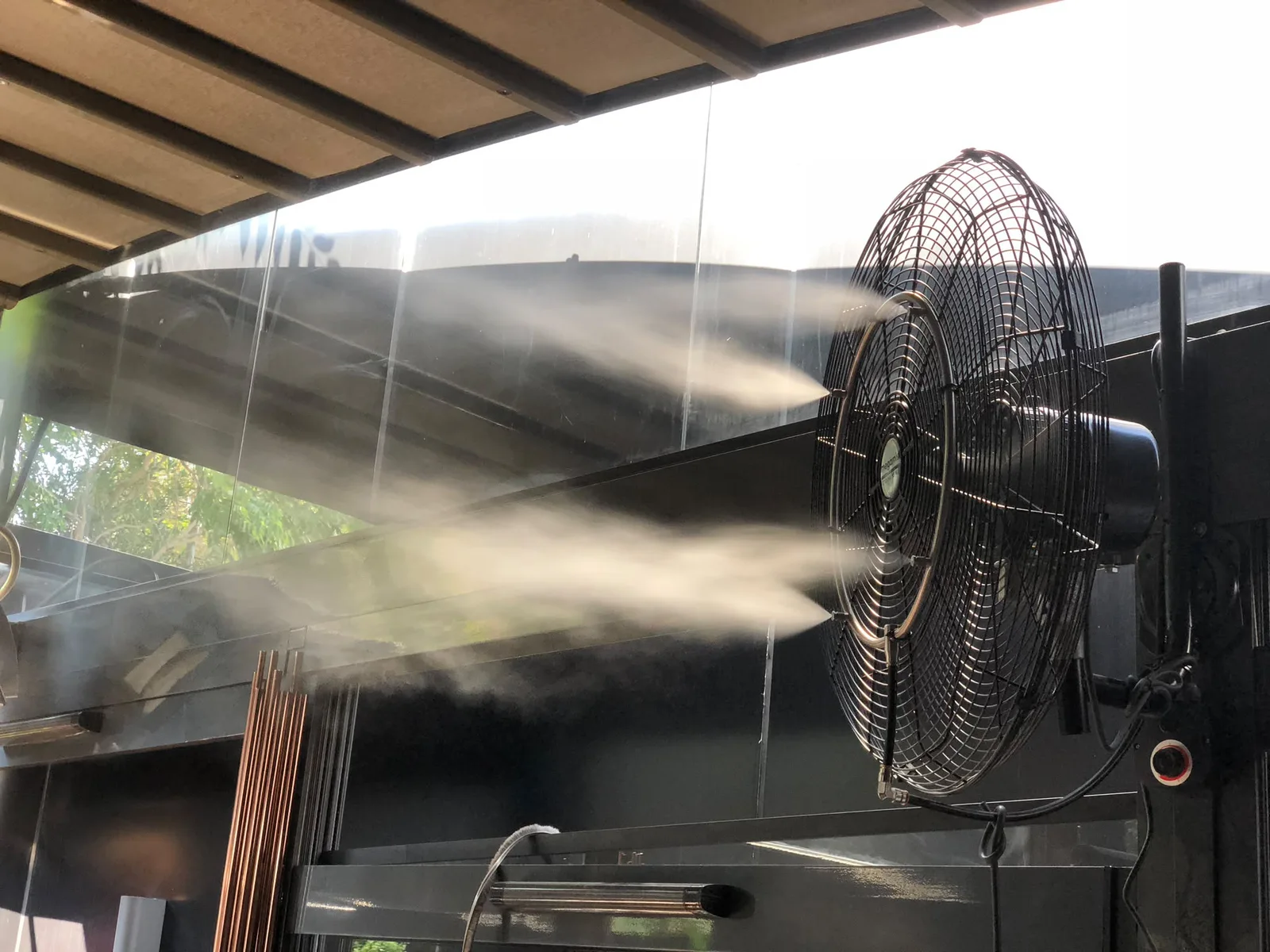
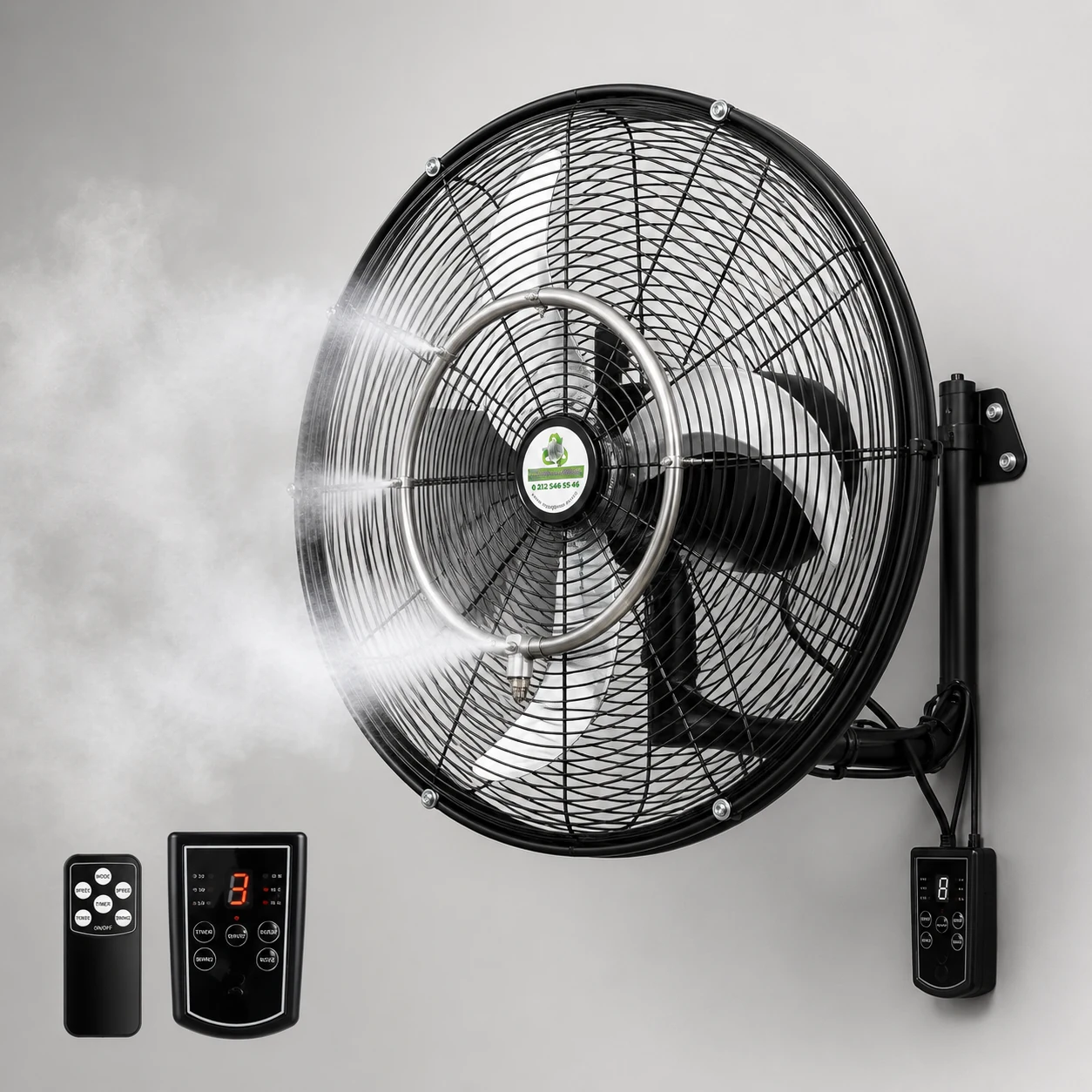
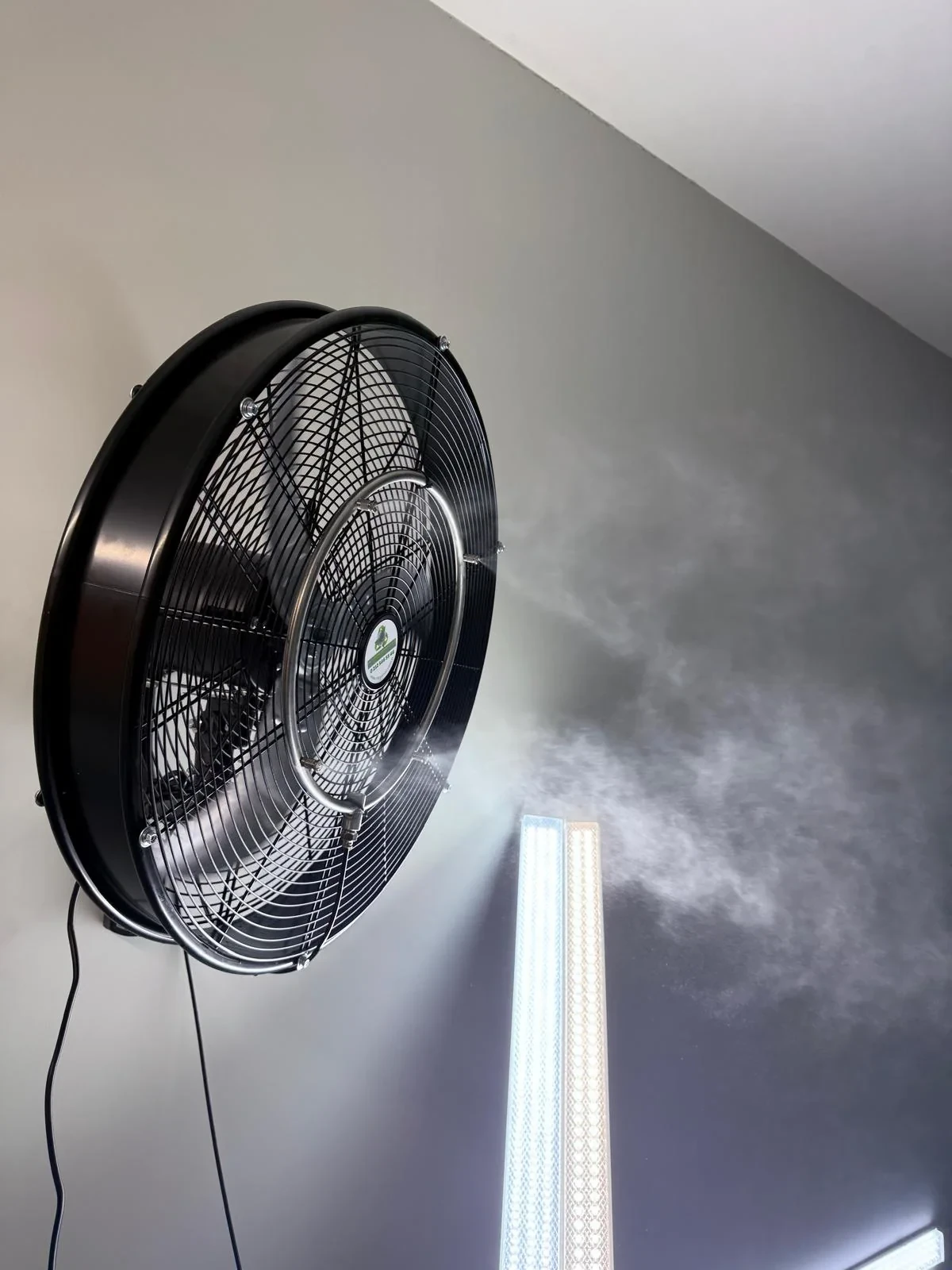
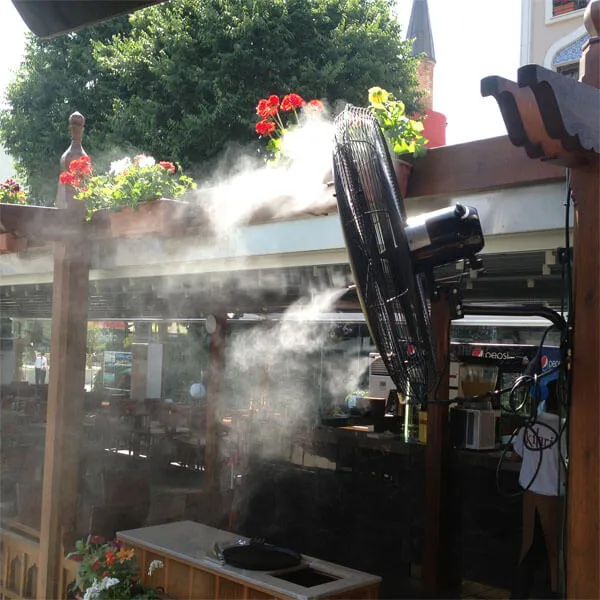
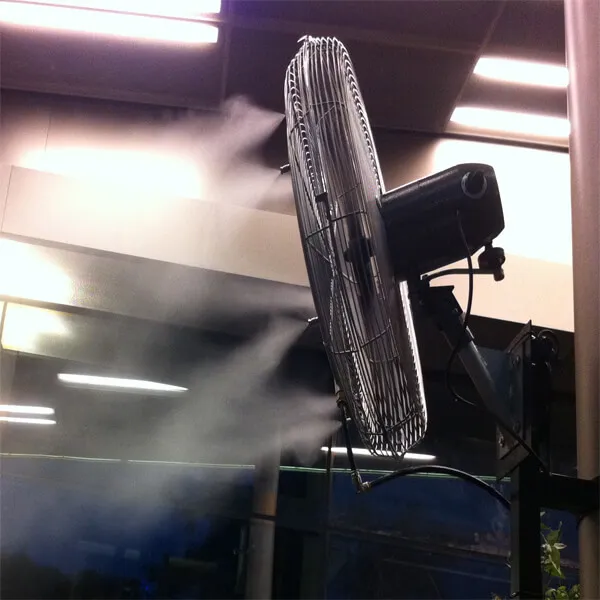
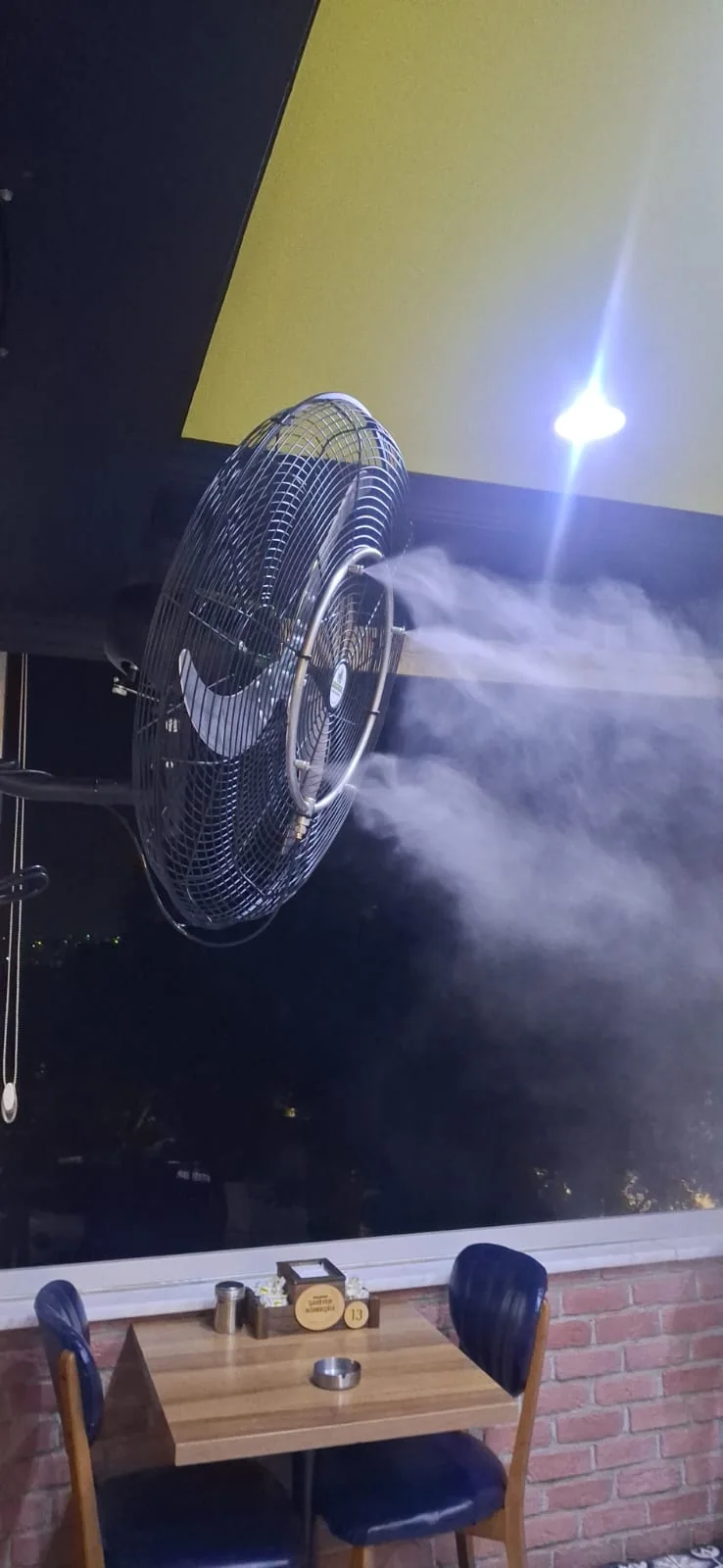
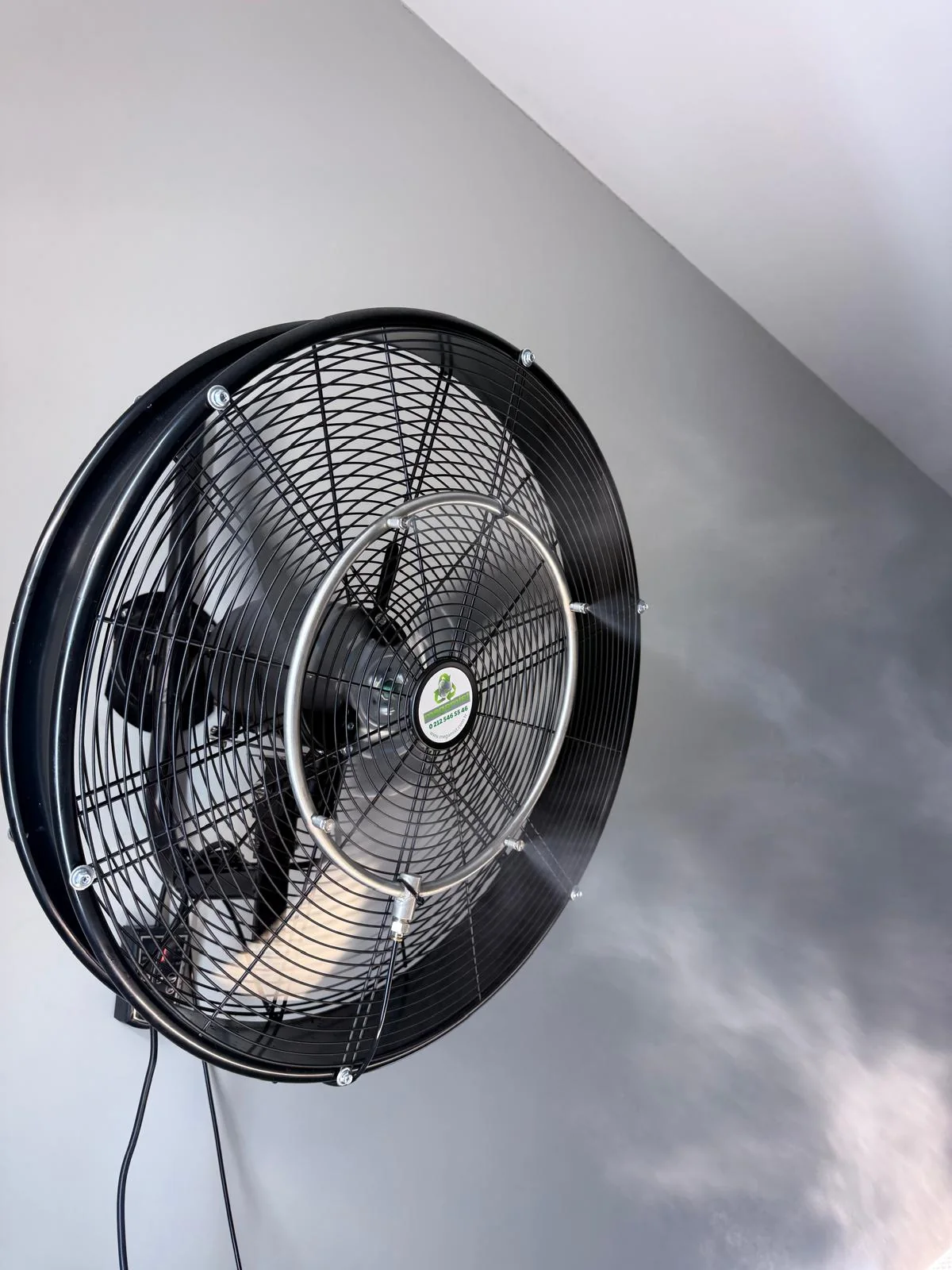
Fan airflow and placement are planned for circulation. A pump, nozzles and water line are assessed separately only if misting is requested.

Area size, airflow needs, user density, ambient conditions and electrical points are reviewed. Water supply matters only for optional misting.

Device airflow, motor power, operating cycle and the target circulation area are assessed. Water line distance applies only to optional misting.

Device height, airflow direction, working distance and safe circulation routes are included in the layout. Spray angle is relevant only if misting is added.

Fan direction, sound level, electrical safety and usage instructions are checked during commissioning. Pressure and mist distribution are checked only for an added misting system.
Match the device type, quantity and placement to how the space is used. Final selection follows a site review of area, airflow, wind, water and electrical access.
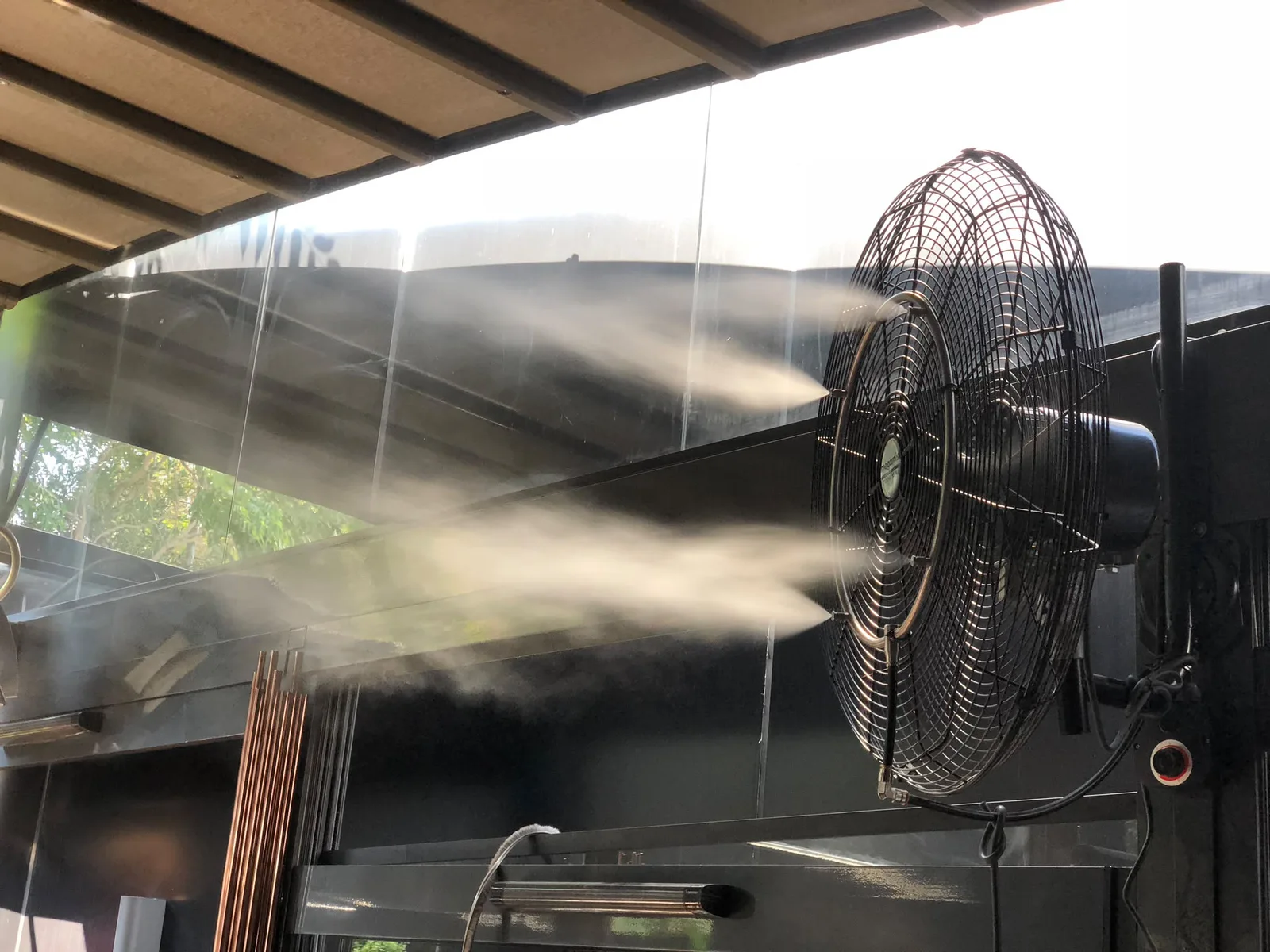
A controlled, business focused cooling effect helps reduce heat pressure in open seating areas.
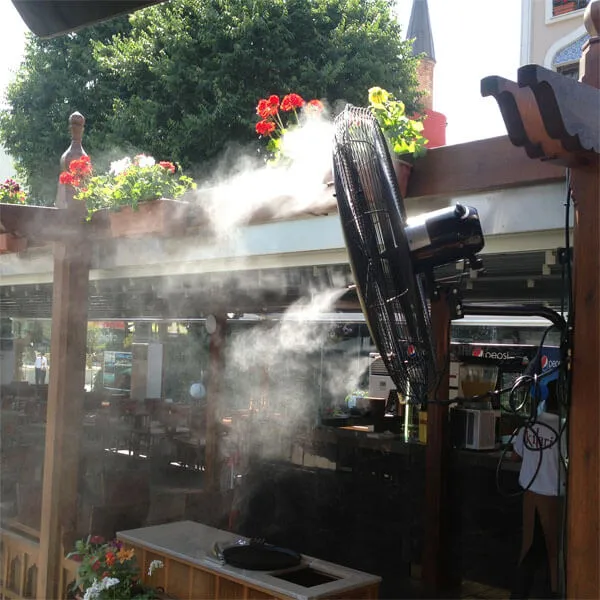
Equipment appearance, sound level and coverage are considered together for hotel, facility and garden projects.
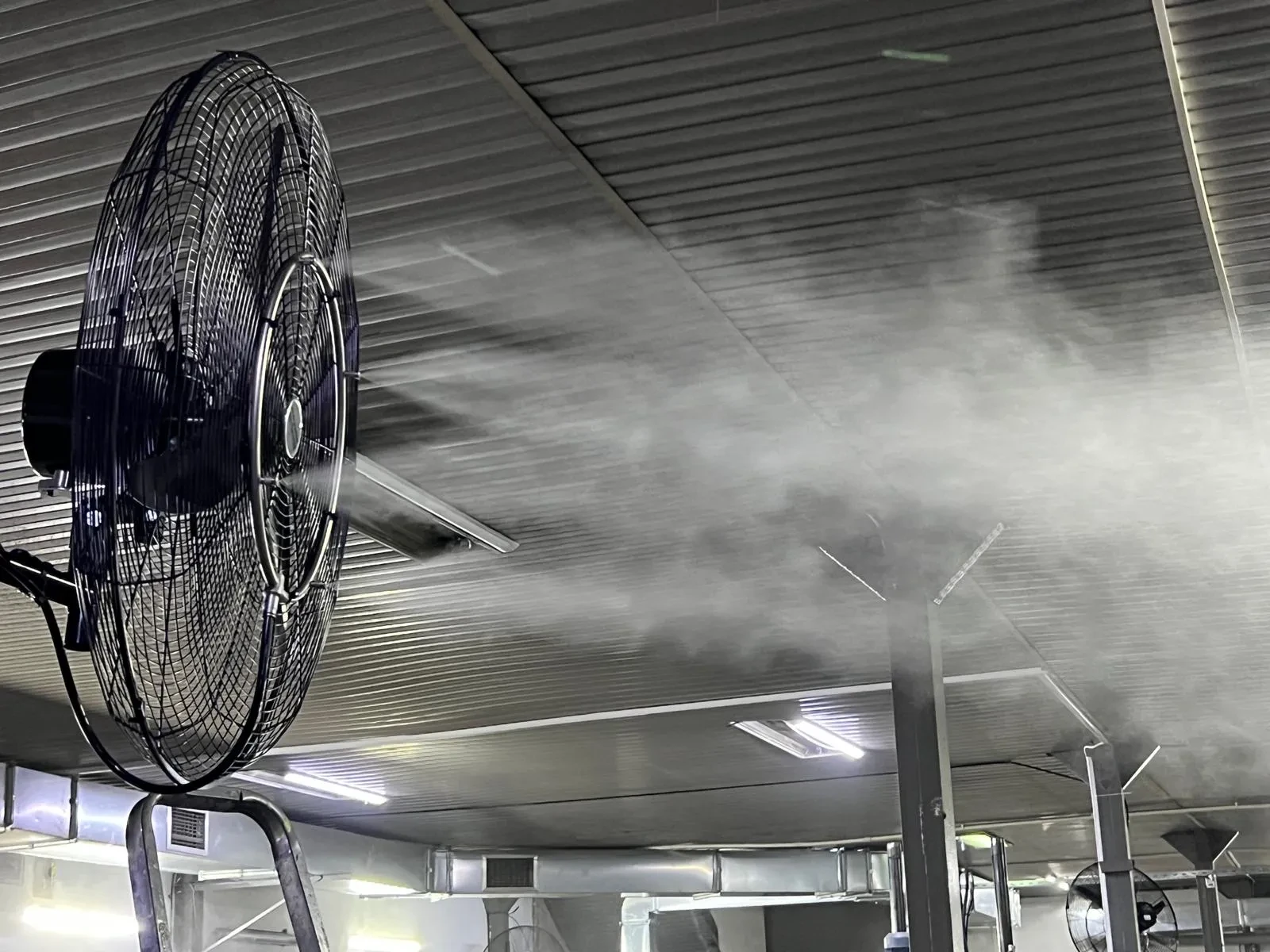
The system helps disperse stagnant hot air and support worker comfort in production, shipping and storage areas.
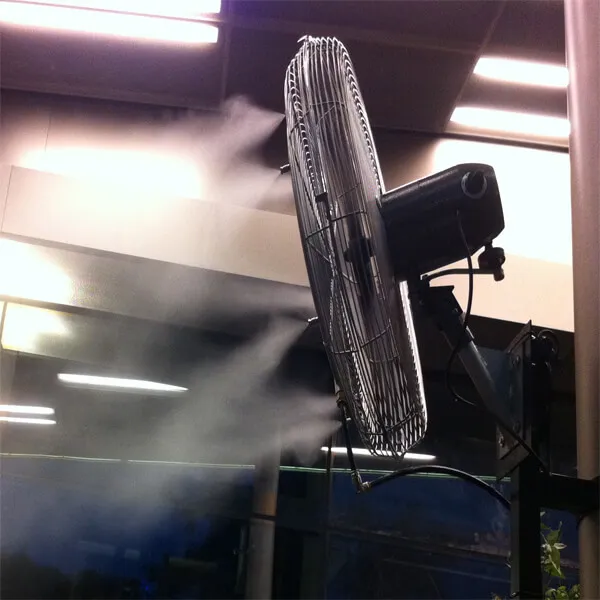
Portable fan systems with adjustable direction are selected for quick setup at fairs, weddings and events.
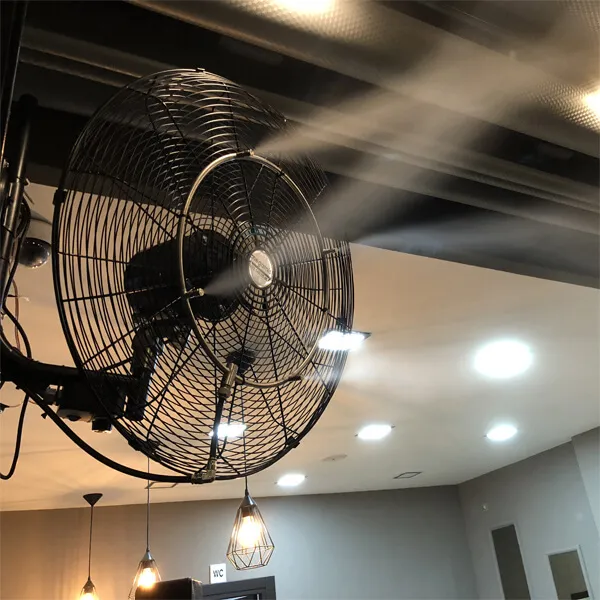
Air direction and controlled misting are planned to support comfort in sports, spectator and semi open recreation areas.
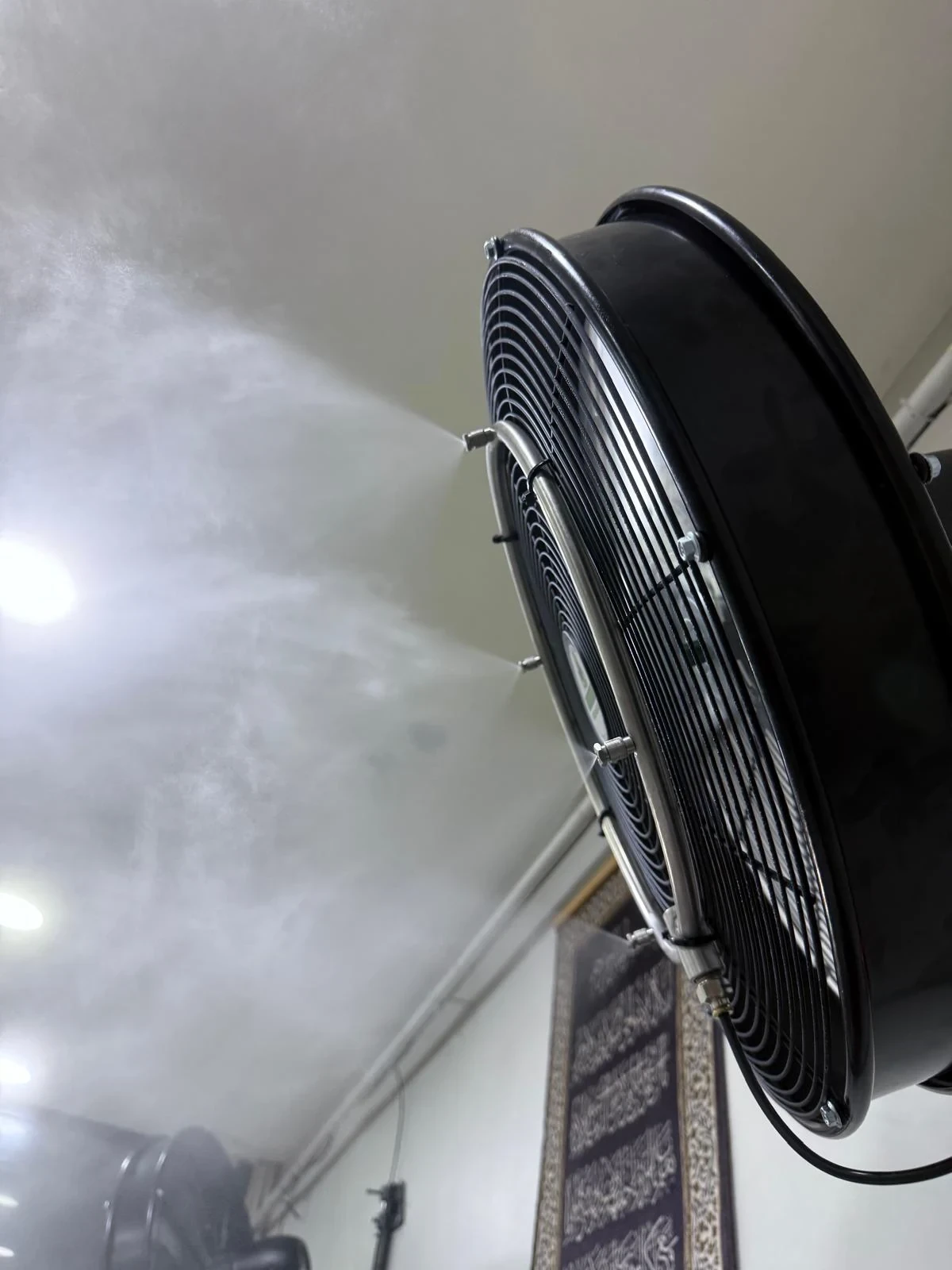
Cooling can be directed to needed points without blocking visitor flow in semi open waiting and circulation areas.
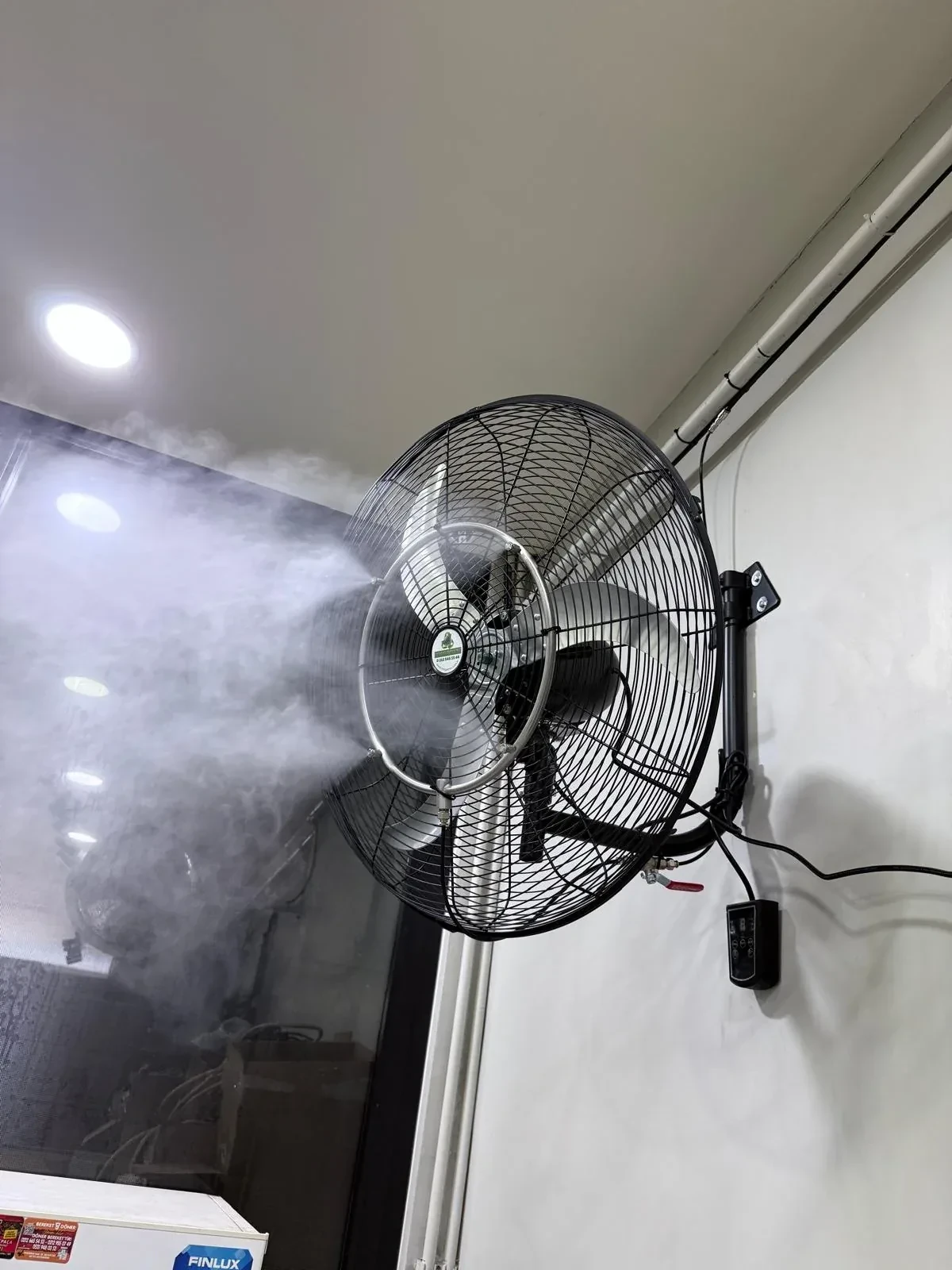
Fan position, humidity and operating periods are assessed together for controlled use in high heat agricultural settings.
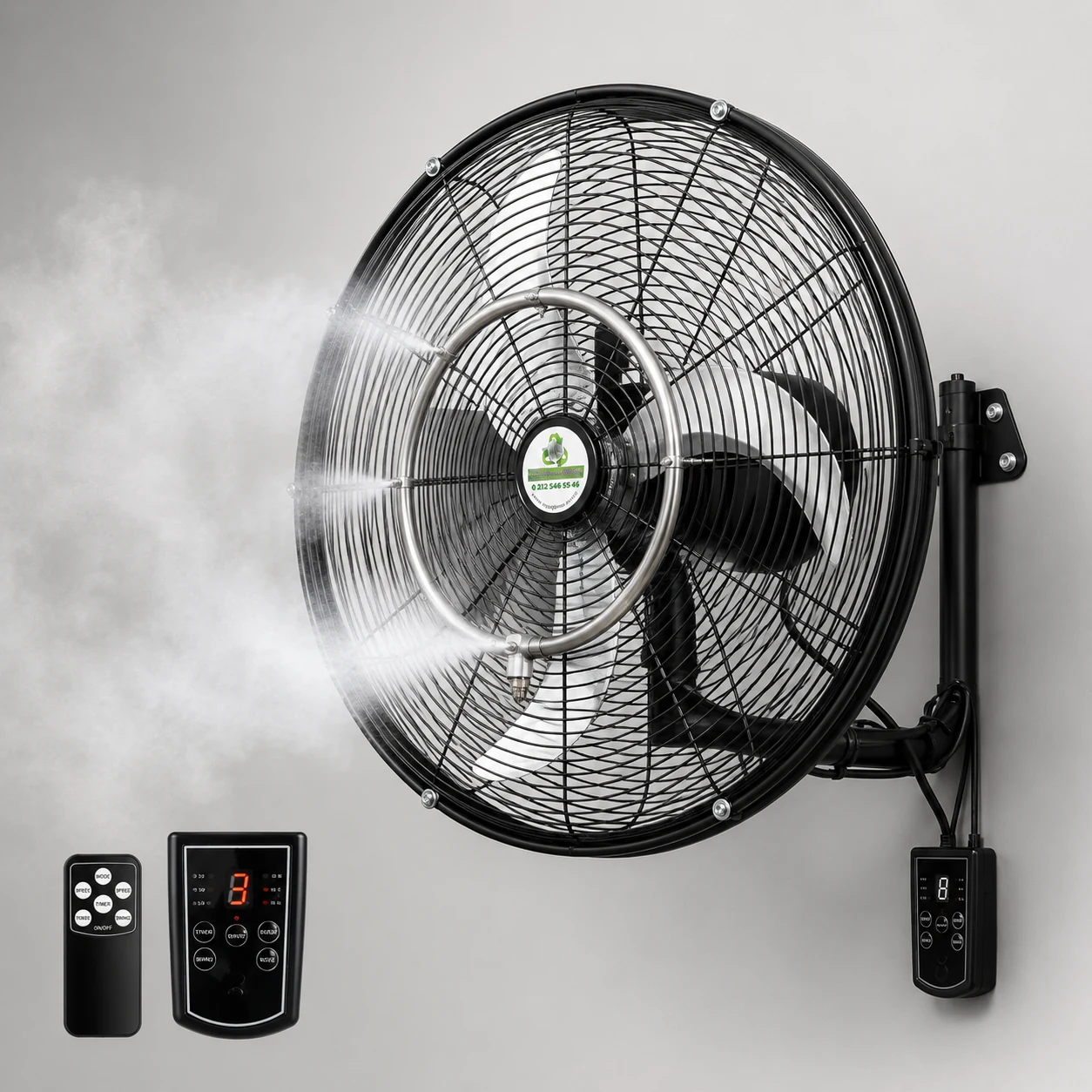
Mobile or fixed systems are planned around guest volume, wind direction and service traffic in seasonal outdoor areas.
When an Industrial-Type Fan is selected, the correct capacity should be evaluated together with area size, airflow needs, operating hours and electrical infrastructure. Water supply is assessed only if a separate misting system is requested. This approach keeps the system from being treated as a single product and turns it into a planned outdoor comfort solution.
In professional applications, fan airflow, safe placement and ease of operation are planned together. Optional misting requires a separate pump and nozzle design for an additional cooling effect for commercial, industrial and social areas exposed to summer heat.
Mobile and fixed fan options are compared according to the usage scenario and operating time. Water-tank or line-fed equipment belongs to a separately specified misting system.
Airflow direction, fan height, circulation routes and working distances are planned for effective ventilation. Spray direction is assessed only when optional misting is included.
An Industrial-Type Fan moves air without requiring water or misting equipment. In open or semi-open areas, it supports air circulation; a separate pump and nozzle system can be specified when mist cooling is needed. It can be configured for restaurants, terraces, hotel outdoor areas, gardens, warehouses and production sites.
Airflow rate, motor efficiency, sound level, maintenance access, service support and stable long-term operation should be evaluated together. In commercial venues, aesthetics and user comfort are important; in industrial sites, durability, airflow and continuous operation capacity become more decisive.
For this reason, the project team should assess the Industrial-Type Fan requirement as a complete open-area cooling design rather than a standard product purchase.
Share the site dimensions, current photos, intended use and available infrastructure for a practical first evaluation.